

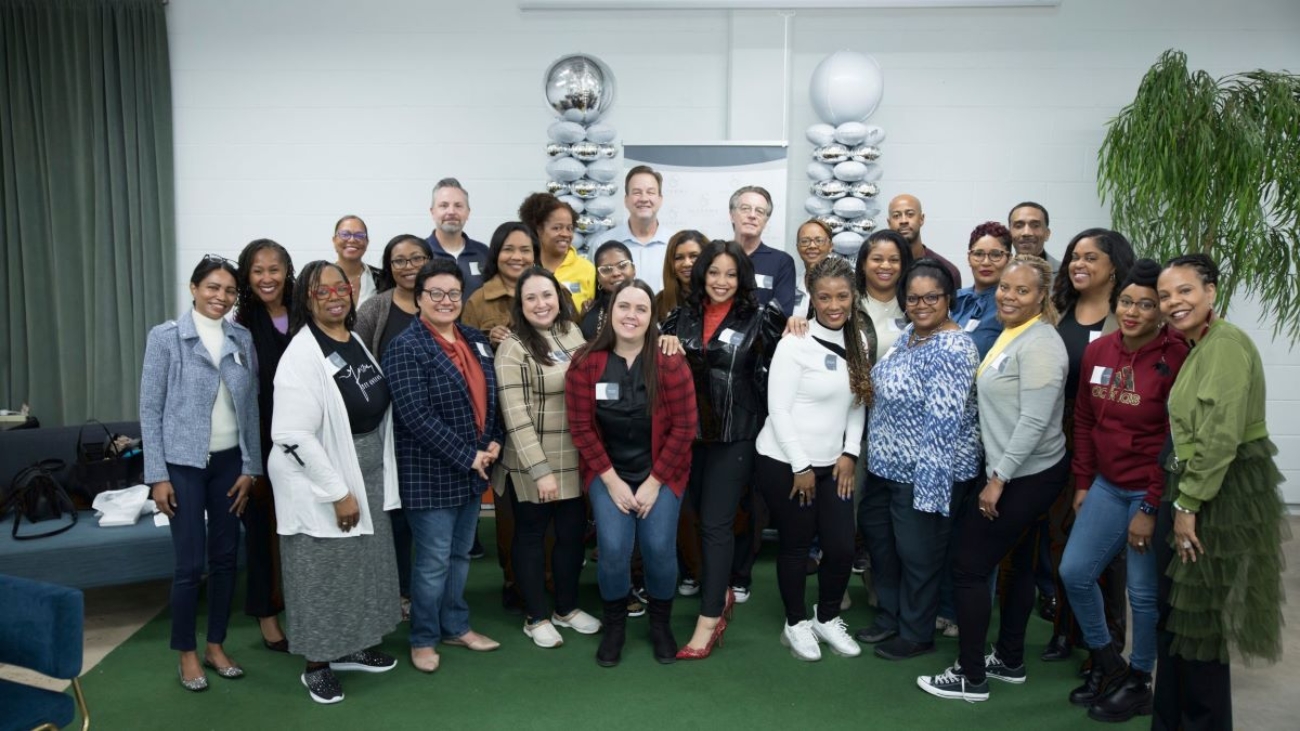
A pic showing employees discussing their work.

Leading with Empathy: How to Keep Your Team Resilient After the Election

After an election, emotions can run high. Team members may have strong feelings about the results, and these feelings can affect the workplace. As a leader, showing empathy—understanding and caring for others’ feelings—is crucial. By leading with empathy, you can help your team stay resilient, focused, and united.

1. Listen to Your Team

Listening is one of the best ways to show empathy. When people feel heard, they’re more likely to feel supported and calm, even in stressful times.

  • Hold one-on-one check-ins: Make time to ask how each team member is feeling.
  • Listen without judgment: Let them share their feelings without interrupting or judging.
  • Be open to feedback: Ask if there’s anything you can do to make them feel more supported.

“Sometimes, the best thing a leader can do is simply listen.”

2. Encourage Respect and Positivity

An election can lead to different opinions, so it’s important to encourage a respectful and positive environment. By setting a tone of kindness and respect, you help everyone feel comfortable and accepted.

  • Set ground rules for discussions: Encourage respect if people want to talk about the election.
  • Model positive behavior: Show kindness, patience, and respect in your interactions.
  • Redirect focus to team goals: Remind everyone of the team’s shared mission and goals to help them stay united.

“A team that respects each other can get through any challenge.”

3. Support Well-being and Self-Care

Elections can be mentally and emotionally exhausting. Encouraging self-care helps team members stay balanced and resilient.

  • Encourage breaks and relaxation: Remind team members to take time for themselves if they need it.
  • Share mental health resources: Offer access to counseling or wellness programs if available.
  • Create a flexible schedule: Allow employees a bit of flexibility if they need it to recharge.

“Taking care of our minds and hearts makes us stronger as a team.”

Ready to Lead with Empathy?

Want to learn more about building a resilient, supportive workplace after the election? Book a call with ACG today to develop an empathetic approach that helps your team stay connected, focused, and strong.

Wie Sie Konkrete Content-Formate für Nachhaltiges Engagement in sozialen Medien Entwickeln: Ein Tiefen-Guide für die DACH-Region

In der heutigen Social-Media-Landschaft ist die Entwicklung von Content-Formaten, die dauerhaft Engagement erzeugen, eine zentrale Herausforderung für Marken und Unternehmen in Deutschland, Österreich und der Schweiz. Während viele Strategien kurzfristige Interaktionen anstreben, zeigt die Praxis, dass nachhaltiges Engagement nur durch gut durchdachte, interaktive und emotional ansprechende Formate erreicht werden kann. In diesem Artikel vertiefen wir die Techniken und Prozesse, um konkrete Content-Formate zu entwickeln, die langfristig bei Ihrer Zielgruppe in Erinnerung bleiben und echte Community-Bindung schaffen.

1. Konkrete Techniken zur Gestaltung von Content-Formaten für nachhaltiges Engagement in sozialen Medien

a) Einsatz von Interaktiven Elementen wie Umfragen, Quiz und Calls-to-Action

Interaktive Elemente sind essenziell, um Nutzer aktiv in den Content einzubinden und eine nachhaltige Verbindung aufzubauen. Für den deutschen Markt empfiehlt sich die Nutzung von funktionalen Umfragen auf Plattformen wie Instagram Stories oder Facebook, die gezielt Fragen zu Produkten, Dienstleistungen oder branchenrelevanten Themen stellen. Beispiel: Eine Mode-Marke kann eine Umfrage zu aktuellen Farbtrends starten, um Meinungen der Community einzuholen und gleichzeitig Produktpräferenzen zu erfassen.

Quiz-Formate erhöhen die Verweildauer und fördern die Wiederkehr. Ein Beispiel ist ein Nachhaltigkeitsquiz, bei dem Nutzer ihr Wissen testen und gleichzeitig Markenwerte vermitteln. Wichtig ist, klare Call-to-Action-Elemente (z.B. „Jetzt abstimmen“, „Mehr erfahren“) zu nutzen, um Interaktionen zu lenken und die Nutzer zu konkreten Handlungen zu motivieren.

b) Nutzung von Storytelling-Techniken zur Emotionalen Bindung

Storytelling ist das Herzstück nachhaltiger Content-Strategien. Für die DACH-Region bedeutet dies, authentische Geschichten zu erzählen, die kulturelle Werte und regionale Besonderheiten widerspiegeln. Beispiel: Ein deutsches Unternehmen kann eine Serie von Kurzvideos produzieren, in denen Mitarbeitende ihre persönlichen Geschichten teilen, warum nachhaltiges Handeln für sie wichtig ist. Solche Geschichten schaffen emotionale Bindung und fördern die Loyalität.

Die Technik des “Heldenreise”-Modells lässt sich auch regional adaptieren, indem lokale Akteure als Helden inszeniert werden, was die Identifikation erhöht. Visuelle Elemente, authentische Sprache und regionale Dialekte verstärken die Wirkung.

c) Einsatz von Nutzer-generierten Inhalten und Community-Bflege

Nutzer-generierte Inhalte (UGC) sind kraftvolle Tools, um Gemeinschaftsgefühl zu fördern. Fordern Sie Ihre Community aktiv auf, eigene Fotos, Videos oder Erfahrungsberichte zu teilen, die Ihre Marke oder ein bestimmtes Thema betreffen. Beispiel: Eine nachhaltige Lebensmittelmarke kann Kunden bitten, Rezepte oder Einkaufserlebnisse zu posten und diese mit einem spezifischen Hashtag zu versehen.

Die Pflege der Community durch regelmäßige Interaktion, das Teilen von UGC und persönliche Ansprache erhöht die Bindung und sorgt für eine lebendige, nachhaltige Plattform-Atmosphäre. Wichtig ist, auf Feedback zu reagieren, positive Beiträge hervorzuheben und eine offene Kommunikationskultur zu etablieren.

2. Schritt-für-Schritt-Anleitung zur Entwicklung eines nachhaltigen Content-Formats

a) Zieldefinition und Zielgruppenanalyse im Kontext sozialer Medien

Der erste Schritt ist die klare Definition Ihrer Zielsetzung: Möchten Sie Markenbekanntheit steigern, Community aufbauen oder Leads generieren? Anschließend erfolgt die Zielgruppenanalyse. Für den DACH-Raum empfiehlt sich die Nutzung von Tools wie Google Analytics, Facebook Audience Insights oder regionale Marktforschungen, um demografische Daten, Interessen und Mediennutzungsverhalten zu erfassen.

Beispiel: Eine nachhaltige Modefirma richtet sich an umweltbewusste Millennials in Deutschland. Die Analyse zeigt, dass diese Zielgruppe aktiv auf Instagram unterwegs ist und Wert auf visuelle Storytelling legt. Das Content-Format sollte daher entsprechend gestaltet werden.

b) Entwicklung eines Content-Konzepts: Themen, Formate, Frequenz

Auf Basis der Zielgruppenanalyse entwickeln Sie ein konkretes Content-Konzept. Definieren Sie thematische Schwerpunkte, z.B. nachhaltige Produktion, regionale Initiativen oder Mitarbeitersicht. Wählen Sie Formate wie Videos, Blogartikel, Infografiken oder Live-Streams und planen Sie eine Veröffentlichungsfrequenz, z.B. wöchentlich oder zweiwöchentlich.

Tipp: Ein Redaktionskalender hilft, die Konsistenz sicherzustellen und Themen saisonal anzupassen, z.B. Aktionen zum Tag der Umwelt.

c) Planung und Erstellung des Contents: Tools, Ressourcen, Zeitplan

Setzen Sie auf professionelle Planungstools wie Buffer, Hootsuite oder CoSchedule, um Beiträge im Voraus zu planen. Für die Produktion eigener Inhalte eignen sich Apps wie Canva für Grafiken, Adobe Premiere Pro für Videos oder regionale Fotografen für hochwertige Bilder. Legen Sie realistische Zeitpläne fest, z.B. eine Produktion pro Monat mit mehreren Veröffentlichungen, um Effizienz und Qualität zu sichern.

d) Veröffentlichung, Monitoring und iterative Optimierung

Nutzen Sie Analyse-Tools wie Google Analytics, Facebook Insights, oder Plattform-spezifische Auswertungen, um die Performance Ihrer Inhalte zu messen. Überprüfen Sie regelmäßig Kennzahlen wie Engagement-Rate, Reichweite und Conversion. Passen Sie das Content-Format, die Themen oder die Veröffentlichungszeiten basierend auf den Daten an, um die Nachhaltigkeit des Engagements zu steigern.

3. Technische Umsetzung und Automatisierung bei der Content-Produktion

a) Einsatz von Content-Management-Systemen (CMS) und Planungstools

Professionelle CMS wie WordPress oder Joomla erleichtern die Organisation und Archivierung von Content. Für Social Media empfiehlt sich die Nutzung von Planungstools wie Buffer, Hootsuite oder Later, um Beiträge zentral zu verwalten und automatisiert zu veröffentlichen. Diese Tools erlauben auch die Planung von Beiträgen nach Plattformen, was Zeit spart und Konsistenz gewährleistet.

b) Automatisierung von Veröffentlichungsprozessen (z.B. Social Media Scheduler)

Setzen Sie auf Automatisierungstools, um wiederkehrende Aufgaben zu minimieren. Beispielsweise können Sie Beiträge für mehrere Plattformen gleichzeitig planen. Für Deutschland sind Tools wie Planoly, Buffer oder Sendible empfehlenswert, da sie plattformübergreifend funktionieren und detaillierte Analysen bieten. Automatisierung ermöglicht auch die Einhaltung eines konstanten Veröffentlichungsrhythmus, was für nachhaltiges Engagement unerlässlich ist.

c) Analyse-Tools zur Erfolgsmessung und Feedbackintegration

Nutzen Sie Tools wie Google Data Studio, Facebook Business Suite oder Plattform-eigene Insights, um Daten zu sammeln. Erstellen Sie Dashboards, die Kennzahlen wie Engagement, Klicks, Reichweite und Conversion übersichtlich darstellen. Diese Daten sind die Basis für kontinuierliche Optimierung – z.B. durch A/B-Tests verschiedener Content-Varianten.

4. Häufige Fehler bei der Content-Gestaltung für nachhaltiges Engagement vermeiden

a) Übermäßiger Fokus auf Verkaufsbotschaften statt Mehrwert

Viele Unternehmen neigen dazu, zu verkaufsorientiert zu posten, was das Engagement schwächt. Stattdessen sollten Inhalte stets einen Mehrwert bieten, z.B. durch informative Beiträge, Tipps oder spannende Geschichten, um die Community langfristig zu binden.

b) Mangelnde Diversität bei Formaten und Inhalten

Eintönigkeit führt zu Langeweile. Variieren Sie Ihre Formate: Nutzen Sie Videos, Infografiken, Interviews, Live-Streams, Blogartikel und User-Content. Dies spricht unterschiedliche Nutzerpräferenzen an und erhöht die Chance auf nachhaltiges Engagement.

c) Vernachlässigung der Zielgruppen-Interaktion und -Feedback

Interaktion ist keine Einbahnstraße. Reagieren Sie aktiv auf Kommentare, Fragen oder Kritiken. Nutzen Sie Feedback, um Content-Themen anzupassen und Ihre Community zu stärken. Das zeigt Wertschätzung und fördert langfristiges Engagement.

d) Unzureichende Optimierung für Mobilgeräte und plattform-spezifische Anforderungen

In der DACH-Region konsumieren über 70% der Nutzer Inhalte mobil. Daher ist eine mobile-optimierte Gestaltung unabdingbar. Achten Sie auf kurze Texte, großformatige Bilder und Plattform-spezifische Formate (z.B. Instagram Stories, LinkedIn-Artikel).

5. Praxisbeispiele & Case Studies erfolgreicher Content-Formate

a) Analyse eines deutschen Unternehmens, das durch interaktive Formate starkes Engagement generiert hat

Das Beispiel der „Ecover“ Deutschland zeigt, wie interaktive Challenges auf Instagram zu einer Steigerung der Markenbindung führten. Mit monatlich wechselnden Recycling-Quizzen und #LetsRecycle-Kampagnen erreichte die Marke eine Engagement-Rate von über 8%, deutlich über dem Branchendurchschnitt.

b) Schrittweise Nachbildung eines erfolgreichen Content-Formats anhand eines Beispiels

Ein literarisches Beispiel ist die „Utopia“-Kampagne eines deutschen Startups im Bereich nachhaltige Mode. Durch eine Serie von Kurzvideos, die regionale Produzenten vorstellen, und die Integration von UGC wurde eine Community geschaffen, die aktiv Produkte teilt und bewertet. Nachahmungsempfehlung: Starten Sie mit einer Storytelling-Serie, ergänzen Sie User-Posts und nutzen Sie regionale Inhalte.

c) Lessons Learned: Was funktioniert in der deutschen DACH-Region besonders gut

Authentizität, Regionalität und Interaktivität sind die Schlüssel. Nutzer schätzen echte Geschichten, die ihre regionale Kultur widerspiegeln. Zudem steigert die Einbindung der Community durch Challenges und UGC die Bindung erheblich.

6. Rechtliche und kulturelle Rahmenbedingungen bei der Content-Erstellung

a) Datenschutzbestimmungen (DSGVO) bei Nutzerinteraktionen

Beim Sammeln und Verarbeiten von Nutzerdaten, z.B. bei Gewinnspielen oder UGC, ist die Einhaltung der DSGVO zwingend. Implementieren Sie klare Datenschutzerklärungen, holen Sie Einwilligungen ein und ermöglichen Sie jederzeit

A group of happy employees showing thumbsup

Why Your HR Strategy Needs to Evolve: Preparing for 2025

As we look ahead to 2025, the world of work is changing fast! To keep up, HR strategies need to evolve too. New technologies, shifting workforce needs, and fresh ideas about work-life balance mean that companies must adjust how they manage and support their teams. A modern HR strategy can help your organization stay competitive, attract top talent, and create a workplace where everyone thrives.

1. Embrace Flexibility and Remote Work

One of the biggest changes is the rise of flexible work. More employees want options to work remotely or have flexible hours. Companies that offer this flexibility are more likely to attract and keep talented employees.

  • Offer remote work options: Allow employees to work from home if their jobs allow it.
  • Consider flexible hours: Letting employees adjust their schedules can help them balance work and life better.
  • Create a digital-first approach: Make sure your tools and systems support remote work and collaboration.

“Companies that offer flexibility are set to thrive in the future.”

2. Focus on Employee Well-being

Employee well-being has become a top priority, and for a good reason. A happy, healthy workforce is more engaged and productive. HR strategies should support both mental and physical health to help employees feel their best.

  • Promote mental health resources: Offer access to counselors, mental health days, or wellness apps.
  • Encourage work-life balance: Make sure employees know it’s okay to unplug and take breaks.
  • Support financial well-being: Provide tools or resources to help employees manage their finances, such as budgeting workshops or savings programs.

“Healthy employees create a healthy company.”

3. Invest in Learning and Development

To stay competitive, employees need to keep learning. Companies should provide training and development opportunities to help their teams build new skills and grow their careers. This keeps employees motivated and helps the company prepare for the future.

  • Offer regular training sessions: Bring in experts or offer online courses on important skills.
  • Encourage growth opportunities: Give employees the chance to learn new roles or take on new projects.
  • Create a mentoring program: Pair employees with mentors to help them grow and gain new perspectives.

“The companies that invest in their people are the companies that succeed.”

Ready to Evolve Your HR Strategy?

Want to make sure your HR strategy is ready for 2025 and beyond? Book a call with ACG today to start building a plan that keeps your company prepared, flexible, and supportive of your team’s growth!

Blog Banner for Website Content (1)

Creating a Culture of Belonging: The Key to a Strong Team This Season

During the holiday season, creating a sense of belonging at work can make employees feel more connected and valued. When employees feel like they truly belong, they’re happier, work better together, and are more likely to stay with the company. Building this type of culture doesn’t have to be complicated—it just takes a few thoughtful actions.

1. Encourage Open Communication and Listening

To build a culture of belonging, it’s important for everyone to feel heard. Open communication shows that each person’s voice matters.

  • Hold regular check-ins: Ask how your team members are feeling and if they have any concerns.
  • Listen actively: Show that you’re truly listening by acknowledging what each person says and responding thoughtfully.
  • Create a suggestion box: This allows employees to share ideas or concerns anonymously, helping everyone feel more comfortable.

“When people feel heard, they feel like they belong.”

2. Celebrate Differences and Diversity

A sense of belonging comes from feeling accepted and valued for who you are. Celebrating diversity in your team can help create this feeling for everyone.

  • Recognize cultural holidays: Allow team members to share their traditions or plan a “diversity day” where people can talk about their heritage.
  • Show appreciation for everyone’s unique skills: Highlight the strengths of each team member and the value they bring to the group.
  • Encourage team bonding: Plan inclusive team activities that allow everyone to contribute and shine, such as a talent showcase or a fun potluck.

“Belonging means being valued for who you are and what you bring to the team.”

3. Show Appreciation and Support Growth

A culture of belonging also means showing employees that you care about their growth and well-being. When people feel valued, they’re more likely to stay engaged and connected.

  • Offer opportunities for learning: Help team members grow by providing training or chances to learn new skills.
  • Celebrate team and individual successes: Recognize both big and small wins, whether it’s finishing a project or achieving personal growth.
  • Show genuine appreciation: Take the time to thank team members for their hard work and remind them of their importance.

“Feeling appreciated is a big part of belonging.”

Ready to Build a Stronger Team?

Want to learn more about creating a culture where everyone feels like they belong? Book a call with ACG today to start building a workplace that supports, values, and connects each member of your team.

A group of happy employees chatting

How to Leverage Organizational Culture to Boost Employee Engagement This Holiday Season

The holiday season is a special time to bring people together, and it’s also the perfect opportunity for organizations to build a strong, positive culture. When employees feel appreciated and connected to their workplace, they’re more likely to stay engaged and productive. Boosting employee engagement during this festive time can create a sense of unity, and it’s easy to do with a few simple actions!

1. Create a Festive and Inclusive Atmosphere

Make the workplace a welcoming and cheerful space. Small, thoughtful changes can make a big difference in how employees feel when they walk in each day.

  • Decorate the workspace: Put up holiday decorations that celebrate a variety of traditions. Include items like lights, ornaments, and seasonal plants.
  • Plan inclusive celebrations: Organize a holiday gathering that considers everyone’s beliefs and preferences. A “Holiday Around the World” potluck can let employees share their favorite holiday dishes.
  • Encourage breaks and relaxation: Set up a cozy spot for employees to relax or grab a seasonal treat like hot cocoa. This shows that you value their well-being.

“When employees feel seen and valued, they’re more likely to be engaged and motivated.”

2. Show Appreciation and Give Back

The holiday season is a great time to thank your team for their hard work. A little recognition can go a long way in creating a positive work culture.

  • Give personalized thank-you notes: A simple note can make employees feel recognized for their unique contributions.
  • Plan a team volunteer day: Encourage employees to give back by organizing a volunteer activity. Not only does this boost team spirit, but it also reinforces the values of your organization.
  • Provide small gifts or bonuses: A small gift, such as a gift card or personalized item, shows that you appreciate their efforts and loyalty.

“The best way to spread holiday cheer is to let employees know they’re valued and appreciated.”

3. Build Connections and Encourage Teamwork

Encouraging team bonding can foster a sense of belonging and make work more enjoyable. When employees feel connected, they’re more likely to stay engaged.

  • Host team-building activities: Simple activities like a holiday trivia game or Secret Santa can bring teams closer.
  • Encourage cross-departmental interactions: Let different teams work together on holiday projects or decorations to build new friendships and strengthen the organization.
  • Hold an end-of-year reflection meeting: Let teams share highlights and set goals for the coming year. This helps everyone feel aligned and valued.

“A strong culture is the foundation of an engaged, motivated team.”

Ready to Boost Engagement?

Want to learn more about how to create a supportive, engaging workplace culture? Book a call with ACG today to start building a culture that keeps employees happy, motivated, and connected all year long!

qtq80-F55d5r

Navigating Political Conversations: Strategies for Team Resilience Post-Election

As the dust settles after a contentious election cycle, many organizations face the challenge of navigating political conversations within their teams. These discussions can evoke strong emotions and differing opinions, making it crucial for leaders to approach them with care and intention. At Alchemy Consulting Group (ACG), we understand the importance of fostering an environment where employees feel safe to express their thoughts while maintaining team cohesion.

  • Create a Safe Space for Dialogue: Establish ground rules for discussions that promote respect and understanding. Encourage employees to share their perspectives without fear of retaliation or judgment.
  • Encourage Active Listening: Facilitate workshops that teach active listening skills. When team members feel heard, they are more likely to engage in constructive conversations, reducing tension and fostering collaboration.
  • Focus on Common Goals: Remind your team of their shared objectives and the values that unite them as an organization. This focus can help shift discussions away from divisive topics and toward collaborative problem-solving.

By implementing these strategies, organizations can enhance their resilience in the face of political conversations. At ACG, we partner with teams to develop the tools and skills necessary for navigating complex discussions, ultimately leading to a more harmonious workplace.