
The Timeless Power of Zeus: From Ancient Coins to Modern Slot Antagonists

Zeus, the king of the Greek gods, embodies power, fertility, and divine order—an archetype that transcends millennia. His presence in ancient numismatics reveals not only cultural reverence but also how societies encoded authority and chance in tangible form. Across centuries, this enduring symbolism finds new life in digital entertainment, most strikingly in the modern slot machine—where “Le Zeus” emerges not merely as a brand, but as a mythic antagonist who reflects humanity’s complex relationship with desire, risk, and reward.

The Rarity of the Divine: Four-Leaf Clovers and Zeus Coin Value

In nature, the four-leaf clover appears with astonishing rarity—estimated at just 1 in 10,000 plants—infusing it with symbolic weight as a token of fortune and rare blessing. This scarcity mirrors the value of ancient Greek coins bearing Zeus’s image: far more than currency, they were cultural artifacts embedding collective memory and divine authority. Just as a clover’s rarity elevates its mythic status, the collector’s pursuit of a Zeus coin transcends material worth, channeling deep human longing for rare, fateful alignment.

  • Rarity: ~1 in 10,000 occurrences
  • Symbol of exceptional fortune
  • Drives collector and enthusiast motivation
  • Depictions blend divine authority with symbolic motifs
  • Frequent inclusion of four-leaf clover elements reinforcing chance and blessing
  • Cultural value as a tangible link to divine order and protection
Factor Four-Leaf Clover
Zeus Coin Characteristics Ancient Numismatic Iconography

The Slot Machine as Modern Temple of Chance

In the digital age, the slot machine functions as a temple of chance, where myth and mechanics converge. The symbol “Zeus” often appears not only as branding, but as a narrative anchor—blending ancient reverence with high-stakes entertainment. For players, this modern interface transforms myth into a psychological experience: risk becomes a ritual, reward the promise of fate. The rarity of the four-leaf clover metaphor echoes in bonus rounds and jackpot triggers, where players gamble not just money, but their belief in a divine hand.

Scarcity, Symbolism, and Player Psychology

Just as a four-leaf clover commands attention due to its rarity, the Zeus brand leverages scarcity and mythic imagery to captivate players. The design of the Zeus coin often incorporates four-leaf clover motifs symbolizing fortune and luck—visual cues that tap into deep psychological associations. This fusion of numismatic tradition and digital spectacle shapes player behavior: desire is amplified, risk is framed as destiny, and every spin becomes a modern oracle’s call.

  • High-stakes gameplay taps into primal narratives of fate and fortune
  • Symbolic motifs (like clover) deepen emotional engagement
  • Scarcity-driven branding increases perceived value and player investment

“Like the rarity of the four-leaf clover, Zeus in slot design is not just a symbol—it’s a promise whispered by chance itself.”

From Ancient Authority to Digital Antagonist: The Evolution of Zeus

Zeus’s journey from ancient coin to modern slot reflects a timeless human narrative: the tension between divine power and mortal choice. While the ancient Greek saw Zeus as a regulator of order, today’s player faces a digital counterpart—where “Zeus” embodies both opportunity and temptation. Regulatory shifts, such as the EU’s 2019 Directive 2019/882 and the UK’s 2019 bonus buy legalization, further redefine this relationship, demanding transparency while preserving the mythic allure that draws players in.

Mindful Engagement with Symbolic Currency

As “Le Zeus” slot invites players into a world where myth meets mechanics, it underscores a broader truth: symbols shape behavior. The four-leaf clover’s near-mythical rarity reminds us that value is often less about the tangible and more about the story. In the slot machine’s temple of chance, every spin echoes ancient rituals—where hope, risk, and reward intertwine. Understanding this link invites deeper reflection: how do mythic brands like Zeus influence our decisions, and what responsibility do players bear in this modern dance of fate?

Conclusion: Zeus as a Bridge Across Time

Zeus endures not because of stone or metal, but because he embodies universal human themes—power, choice, and the dance between fate and fortune. From ancient coins bearing his likeness to the digital slot where “Zeus” stands as both patron and antagonist, the narrative remains constant: symbols shape desire, and risk becomes a ritual. As players engage with “Le Zeus” and similar experiences, they participate in a continuum where myth, money, and psychology converge. Recognizing this bridge enriches our understanding of culture, technology, and the enduring power of stories.

Le Zeus slot review

A valentine day banner

Valentine’s Day Special: Building Workplace Relationships That Last

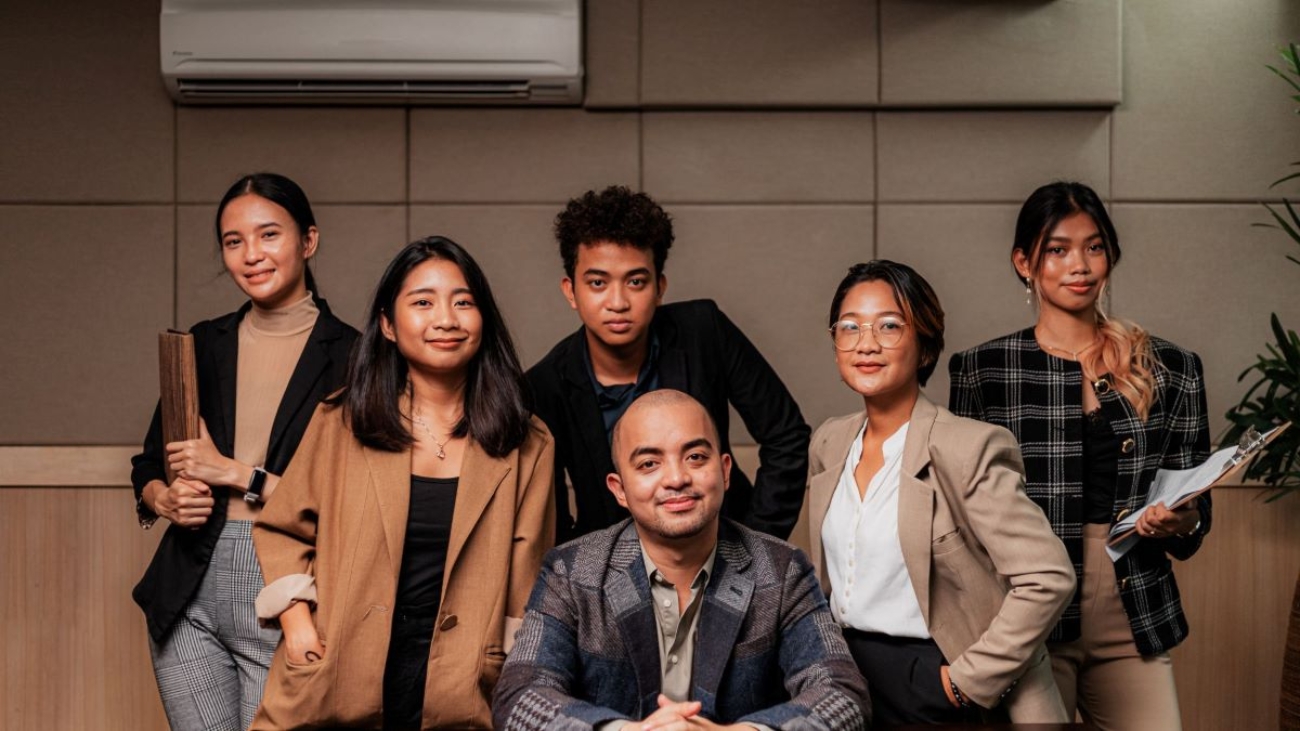
Valentine’s Day isn’t just for romantic relationships; it’s a great reminder of how important strong relationships are in the workplace too! When coworkers have good relationships, they feel happier, less stressed, and more motivated. Team members who trust and respect each other work better together, and that leads to great results for everyone. Here are some ways to help build workplace relationships that last and make a big difference in your organization.

Start with Open Communication

Good relationships are built on clear and open communication. When people feel comfortable sharing ideas and giving feedback, it creates trust and helps everyone understand each other better.

  • Encourage regular check-ins: Schedule times to catch up with team members. This shows you care and helps you stay connected.
  • Practice active listening: Pay attention when others speak, and respond thoughtfully. As the saying goes, “Listening is an art that requires attention over talent.”
  • Ask for feedback: Make it safe for people to share honest feedback. This helps improve teamwork and shows that every voice matters.

Show Appreciation and Support

Everyone likes to feel valued! Showing appreciation goes a long way in building positive workplace relationships. When people feel recognized and supported, they’re more likely to support each other.

  • Say thank you often: A simple “thank you” shows that you appreciate your coworkers’ hard work and helps them feel valued.
  • Celebrate achievements: Recognize big and small wins, whether it’s a completed project or reaching a personal goal.
  • Be there for each other: If a coworker is going through a tough time, lend a helping hand or just be there to listen.

Build a Culture of Respect and Trust

Trust and respect are the foundations of strong workplace relationships. When people feel respected and trusted, they’re more open, honest, and willing to work together.

  • Lead by example: Show respect in how you speak and act with others. People will follow your lead.
  • Be reliable: When you keep your promises, it builds trust. Follow through on commitments, and people will know they can count on you.
  • Include everyone: Make sure everyone feels welcome and valued. Invite different ideas and perspectives to show that everyone is part of the team.

Ready to Strengthen Workplace Relationships?

Building strong, lasting workplace relationships can make a big difference in how happy and productive your team is. If you’re ready to improve workplace connections, book a call with ACG today. We can help you create a positive, supportive environment that brings out the best in everyone.

Poker Strategies and Tips for Success

Why Poker Strategies and Tips for Success Matter

Success in poker extends far beyond luck; it hinges on strategic decision-making and psychological acuity. Understanding the nuances of the game can transform an average player into a formidable opponent. Players who actively engage with proven strategies are not only more likely to win but also enhance their overall gaming experience.

To elevate your game, consider joining Fortunica Casino, where you can apply these strategies in a vibrant online environment.

The Math Behind Winning Poker

At its core, poker is a game of mathematics. Understanding odds, pot odds, and implied odds is crucial for making informed decisions. Here’s a breakdown:

  • Pot Odds: This is the ratio of the current size of the pot to the size of the bet you must call. For example, if the pot is £100 and your opponent bets £50, you need to call £50 to win £150, giving you pot odds of 3:1.
  • Implied Odds: This considers potential future bets you might win if you hit your hand. If you estimate that your opponent might bet another £100 if you hit your flush, your implied odds improve significantly.

Positioning: The Silent Game Changer

Your position at the poker table can significantly influence your strategy. Playing from a late position allows you to observe your opponents’ actions before making your own decision. Here’s how different positions can affect your play:

Position Strategy
Early Position Play tight; only enter with strong hands.
Middle Position Mix up your range; steal blinds and play more hands.
Late Position Aggressively bluff; capitalize on opponents’ weaknesses.

Reading Opponents: The Art of Observation

Being able to read your opponents is essential for success in poker. Look for patterns in betting behavior, timing, and body language. Here are key indicators to note:

  • Betting Patterns: A sudden increase in bet size may indicate strength, while a small bet can suggest weakness.
  • Timing: Quick bets can indicate confidence, while hesitation may suggest uncertainty.
  • Physical Tells: Observe any nervous habits—fidgeting, avoiding eye contact, etc.—that may betray their true hand strength.

Bankroll Management: The Foundation of Longevity

Effective bankroll management ensures you can play over the long term without going broke. Here are strategies to maintain your bankroll:

  • Set a Budget: Allocate a specific amount for each session and stick to it.
  • Game Selection: Choose stakes that allow for comfortable play. A common rule is to play with no more than 5% of your bankroll on any single game.
  • Track Results: Keep a detailed log of wins and losses to understand your performance and adjust strategies accordingly.

Hidden Risks: Common Pitfalls to Avoid

Even seasoned players can fall victim to common traps. Here are pitfalls to be aware of:

  • Chasing Losses: Increasing your bet size to recover losses can lead to greater financial trouble.
  • Emotional Play: Staying calm and rational is crucial; avoid making decisions based on frustration or excitement.
  • Neglecting to Adapt: The poker landscape is always changing. Failing to evolve your strategies can render you predictable and exploitable.

Continuous Learning: Evolving as a Player

Poker is an ever-evolving game. To stay competitive, engage in continuous learning through various methods:

  • Study Resources: Utilize books, online tutorials, and poker forums to enhance your understanding.
  • Review Your Hands: Analyze your play and identify mistakes. Software tools can help with this analysis.
  • Join a Community: Engage with other players to exchange strategies and insights.

Conclusion: The Path to Mastery

Success in poker is a journey that requires dedication, practice, and a willingness to learn. By implementing effective strategies and remaining aware of your surroundings, you can significantly improve your chances of success. Mastering poker is not just about the cards; it’s about the strategy, the psychology, and the continuous quest for improvement.

Ottimizzazione del profilo igrometrico nei sistemi di climatizzazione residenziale mediterranei: un approccio esperto per prevenire muffe e garantire comfort termoigrometrico


1. **Fondamenti del profilo igrometrico nei climi mediterranei: cicli stagionali e dinamiche critiche**
Indice dei contenuti

Nelle regioni caratterizzate dal clima mediterraneo, la gestione del profilo di umidità relativa (RH) si configura come una sfida tecnica complessa, strettamente legata alle marcate variazioni stagionali: estati secche (40–60% RH) alternate a inverni umidi (70–85% RH), dominate da precipitazioni autunnali e temperature moderate che oscillano tra i 15 e i 28 °C. Questa instabilità climatica impone un monitoraggio orario o giornaliero del comfort igrometrico, poiché il rischio di accumulo di condensa su superfici fredde (ponti termici, pareti non isolate) si attiva solo quando la RH supera il 65% per oltre 8 ore consecutive, scatenando proliferazione di muffe in ambienti chiusi.

A differenza di climi umidi persistenti, i climi mediterranei richiedono una strategia dinamica e reattiva, che non si basi solo su medie annuali ma su una profilazione continua, anche a livello di singole stanze, per anticipare e controllare i picchi igrometrici notturni o post-documenti. La temperatura ideale, compresa tra 18 e 24 °C, deve essere mantenuta con stabilità termica per evitare condensazione superficiale, specialmente in zone soggette a infiltrazioni o scarsa ventilazione.

2. **Integrazione avanzata del controllo igrometrico nei sistemi VAV e pompe di calore: metodologie di deumidificazione intelligente**
Indice dei contenuti

L’integrazione tra sensori igrometrici e sistemi VAV (Variable Air Volume) rappresenta il fulcro per il mantenimento di un microclima ottimale. I sensori di umidità devono essere posizionati strategicamente a 1,5–2 metri dal pavimento, idealmente nei punti di mandata o in zone a rischio elevato (bagni, camere con doccia, cantine), evitando zone esposte a correnti d’aria, sorgenti di calore diretto o irraggiamento solare. Il posizionamento errato genera letture distorte e compromette l’efficacia del controllo: ad esempio, un sensore vicino a un condizionatore può registrare RH più basse per effetto di flussi d’aria fredda, inducendo un deumidificatore a cicli eccessivi e consumi inutili.

Il metodo di controllo tradizionale (Metodo A) si basa su un ciclo on/off diretto del deumidificatore in base alla soglia RH, ma rischia overshoot e disomogeneità termoigrometriche, soprattutto in ambienti con massa termica elevata o scarsa ventilazione. Per risolvere, si raccomanda il Metodo B, implementato tramite algoritmi AI che analizzano dati storici di temperatura, umidità, carico interno (persone, elettrodomestici) e condizioni meteorologiche esterne. Questo approccio predittivo consente di anticipare picchi di umidità, ottimizzando frequenza e durata dei cicli, riducendo sprechi energetici fino al 25% e mantenendo la RH entro ±3% rispetto al setpoint dinamico.

3. **Fasi operative dettagliate per l’ottimizzazione del profilo igrometrico residenziale**

Fase 1: Diagnosi igrometrica integrata e posizionamento sensori**

  1. Installazione di almeno due sensori igrometrici distribuiti strategicamente:
    – Un punto di ingresso aria esterna,
    – Un punto centrale in zona abitativa,
    – Un nodo in area a rischio muffa (bagno, camerino post-doccia).
  2. Raccolta dati oraria per 72 ore con registrazione continua, analisi oroscopica dei picchi di umidità (es. dopo docce o infiltrazioni) e creazione di un profilo igrometrico rappresentativo.
  3. Confronto con gli standard ITACA per la qualità dell’aria interna (es. RH ideale 40–60% durante il giorno, <55% di notte), verificando conformità con normative italiane sulla salute abitativa.
  4. Utilizzo del modulo di riferimento UA (Upper Ambient) per correlare temperatura e umidità, evitando falsi positivi dovuti a fluttuazioni rapide.

“La diagnosi senza dati granulari è come un termostato che non “sente” l’ambiente: il controllo igrometrico deve essere preciso, contestualizzato e continuo.”

4. **Impostazione dinamica dei setpoint e gestione integrata del ciclo igrometrico**

Calibrazione e gestione dei setpoint dinamici con approccio a fasi temporali multiple

  1. Definizione di setpoint differenziati per stanza e momento giornaliero:
    – Soggiorno: 50–60% RH (giorno), 55–65% di notte (minori variazioni termiche),
    – Camera da letto: 50–55% costante per promuovere sonno ottimale,
    – Bagno: 55–60% attivo solo durante e subito dopo doccia, con deumidificazione programmata (5 minuti ogni 90 minuti).
  2. Programmazione di cicli deumidificativi brevi e frequenti (ogni 20–30 minuti), con soglie di intervento dinamiche calibrare in base alla differenza tra RH attuale e target, evitando oscillazioni estreme.
  3. Integrazione con sistema VMC (Ventilazione Meccanica Controllata) a recupero termico: programmazione della ventilazione astratta a 3–5 m³/h in base al profilo igrometrico rilevato, garantendo rinnovo astratto senza perdite termiche significative.
  4. Configurazione regolazione automatica delle soglie in base al ciclo stagionale: maggiore sensibilità in estate per prevenire condensazione notturna, riduzione tolleranza in inverno per evitare disidratazione eccessiva.
  5. Visualizzazione in dashboard web con trend ogni 15 minuti, con alert visivi per valori anomali e storico settimanale per analisi trend a lungo termine.

“Un setpoint statico è una mossa tattica; il controllo dinamico è la strategia vincente per la stabilità igrometrica in climi mediterranei.”

5. **Monitoraggio, validazione e manutenzione predittiva per sistemi di climatizzazione avanzata**

Strumenti e metodologie per il monitoraggio continuo e la manutenzione proattiva**

  1. Implementazione di dashboard digitale con visualizzazione in tempo reale di RH e temperatura, aggiornata ogni 15 minuti, integrata con dati storici e soglie di allarme (es. >65% RH per >8h scatena intervento automatico).
  2. Verifica mensile con igrometri di precisione (classe ±1% RH, certificati ITACA) in ambienti critici, registrazione dati in foglio Excel strutturato per audit trimestrale.
  3. Aggiornamento automatico degli algoritmi AI predittivi tramite feed meteo locale e dati di consumo energetico, con retraining mensile per migliorare accuratezza predittiva.
  4. Manutenzione preventiva programmata: pulizia filtri aria (ogni 3 mesi), controllo bobine condensatore, sostituzione pneumatici e bobine usurate, con registrazione dettagliata in sistema CMMS (Computerized Maintenance Management System).
  5. Checklist check-in settimanale: verifica funzionamento VMC, integrazione con termostato, assenza di infiltrazioni, temperatura ambiente e umidità percepita.

“La manutenzione predittiva non è costo, ma investimento: un sistema pulito riduce fino al 40% i malfunzionamenti e mantiene l’efficienza igrometrica nel tempo.”

4. **Errori frequenti e loro risoluzione: da falsi positivi a controllo inefficace**

Errori critici nell’implementazione e come evitarli**

  1. Posizionamento errato dei sensori: sensori collocati in correnti d’aria o vicino a fonti calde producono letture distorte. Soluzione: distanza minima di 50 cm da porte, finestre, elettrodomestici; installazione in zone rappresentative e protette, con distanza standardizzata di 1,5 m dal pavimento.
  2. Setpoint statici senza dinamica temporale

Happy Employees inside office

Why Emotional Intelligence is Key to Transforming Your Organization

Emotional intelligence (EI) is the ability to understand and manage your own feelings and recognize and influence the emotions of others. When people in a company have strong emotional intelligence, it creates a more positive, productive, and connected workplace. Leaders and employees who understand their emotions and how to work with others can build stronger teams, reduce conflicts, and make better decisions. Here’s how emotional intelligence can make a big difference in your organization.

Improve Communication and Build Trust

When people use emotional intelligence, they communicate better because they’re more aware of how they feel and how others might feel. This helps build trust and encourages open, honest conversations.

  • Listen actively: People with high EI listen carefully to others without interrupting. Listening shows respect and builds trust.
  • Stay calm in conflicts: Emotions can run high during disagreements, but staying calm helps people focus on finding solutions.
  • Show empathy: Showing that you understand others’ feelings can make a big difference. As the saying goes, “People may forget what you said, but they will never forget how you made them feel.”

Increase Employee Motivation and Morale

Employees with strong emotional intelligence know how to motivate themselves and others. When leaders use emotional intelligence, they help create a positive environment that makes employees feel valued and understood.

  • Recognize hard work: Thanking employees for their effort boosts morale and encourages them to do their best.
  • Encourage personal growth: Give employees opportunities to learn new skills and take on new challenges. This helps them feel more confident and engaged.
  • Keep a positive attitude: Leaders who stay positive set a good example and inspire their teams to stay motivated, even during tough times.

Reduce Stress and Create a Healthier Workplace

High emotional intelligence helps reduce stress, making the workplace healthier for everyone. Leaders and employees who manage their emotions well are less likely to experience burnout and more likely to support each other.

  • Practice self-care: Encourage breaks and balance to avoid stress and burnout.
  • Build supportive relationships: Emotionally intelligent teams help each other out, creating a culture of support.
  • Promote work-life balance: Leaders who value balance and respect employees’ time create a healthier and happier workplace.

Ready to Build Emotional Intelligence in Your Organization?

Emotional intelligence is a powerful tool that can transform your organization. If you’re ready to bring EI skills to your workplace, book a call with ACG today. We can help you create a more positive, connected, and motivated team.

Whale Songs: Why Sound Travels Farther Than We Know

Beneath the ocean’s surface lies a world where sound reigns supreme—far outpacing light and radio waves in distance and reliability. This is the domain of whales, whose complex vocalizations rely on the unique physics of underwater acoustics. Understanding how sound travels thousands of kilometers in the sea not only reveals nature’s mastery of communication but also underscores vulnerabilities in marine ecosystems shaped by human activity, such as those explored in Royal Fishing, where vessel noise increasingly disrupts ancient acoustic traditions.

The Science of Sound in the Ocean

Sound travels farther underwater than in air due to water’s high density and low attenuation. Unlike air, where molecules disperse energy rapidly, water’s molecular structure efficiently transfers vibrational energy with minimal loss. This allows low-frequency sound waves to propagate over vast distances—sometimes exceeding 1,000 kilometers—making the ocean a natural acoustic highway. Temperature and salinity gradients form layered “channels,” such as the SOFAR (Sound Fixing and Ranging) channel, where sound bends back toward the axis, guiding signals along predictable pathways. These physical properties enable whales to maintain contact across ocean basins—a vital adaptation in an environment where visibility is limited.

Key Factor Underwater Sound Attenuation Minimal energy loss over distance
Temperature & Salinity Layers Create acoustic channels that trap and guide sound
Frequency & Wavelength Low-frequency waves travel farther with less scattering

Natural Acoustics and Whale Communication

Whales are master acoustic engineers, crafting songs specifically adapted to exploit the ocean’s acoustic architecture. Humpback whales, for example, produce intricate, evolving vocal patterns—some lasting 20 minutes or more—that can span over 3,000 kilometers. These songs are not random; their structure—repetition, rhythm, and harmonic layering—optimizes propagation across vast distances. The low-frequency components (10–300 Hz) resonate efficiently in deep water, while the dynamic variations encode information critical for mating and social cohesion. This is nature’s acoustic engineering at its finest—

“Whales turn the ocean into a living symphony, each note tuned to the sea’s deepest laws.”

  • Songs propagate across ocean basins via layered acoustic channels
  • Complexity enhances detectability in noisy environments
  • Song patterns evolve regionally, reflecting cultural transmission

The Fibonacci Sequence in Marine Life: A Hidden Order

Mathematical elegance underpins much of marine life, visible in the nautilus shell’s logarithmic spiral—governed by the Fibonacci sequence. This growth pattern maximizes space efficiency and structural resilience, qualities mirrored in how sound waves optimize energy transfer through fluid environments. While whales do not consciously encode Fibonacci ratios, the same principle applies: natural systems evolve toward configurations that minimize energy loss and maximize signal fidelity. The spiral’s efficiency parallels how sound waves propagate through layered ocean strata, reinforcing the deep connection between biological form and physical function.

Biological Pattern Nautilus shell spiral Fibonacci-based logarithmic growth
Acoustic Application Efficient wave propagation in fluid media Optimized signal transmission with minimal attenuation

Electrical Discharges and Marine Signal Interference

The ocean is not silent—natural electrical activity, from lightning strikes to bioelectric fields of